

Vasovagal Syncope - What You Can Do
Hydration
- Eighty to 100 ounces of water or electrolyte-containing fluids daily.
- Start with 24 to 32 ounces of water first thing in the morning, within 10 minutes.
Lower extremity strength exercises
- Two minutes of squats, at minimum, while you brush your teeth.
Wear compression stockings
Heat avoidance
- Consider using cooling mats or bringing ice packs with you to hot places.
Avoid caffeine or energy drinks
Focus on good sleep
- Wake up at about the same time every morning.
- No electronic devices, TVs, computers, or phones in the bedroom.
- Avoid blue light for two hours prior to bedtime.
- Consider a sleep medicine evaluation.
Keep a symptom diary
Mental health evaluation and treatment
All patients with frequent fainting or near-fainting should be evaluated and treated by a mental health provider, as there is a significant mind-body connection in this disorder.
Cognitive Behavioral Therapy (CBT) has been studied in patients with disabling symptoms and is particularly beneficial. This counseling is done with a psychologist trained in the technique. CBT helps patients adapt to their symptoms and be more functional in their daily lives. Mindfulness can also be helpful.
Tadasana (Mountain Pose in Yoga)
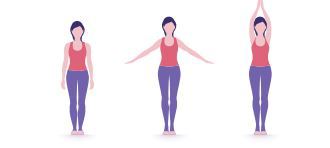
For the Tadasana maneuver, stand straight with your feet together, arms by your side (against a wall if you need support), and alternatively lift the front and back part of your feet.
First, lift your toes with your weight resting on the ball of your feet. Then, after a few seconds, raise your heels with your weight on the front of the foot. After a few more seconds, lift your arms over your shoulders, breathing in deeply and slowly, stretching upward while standing on your toes. Breathe out slowly and lower your heels to the floor (feet flat on the floor). This sequence should take about two minutes. Move slowly and keep your eyes open.
Do this practice for 15 minutes twice a day. Be sure you are in a safe environment in case you feel dizzy or fall. Keep plenty of space around you so that you do not hit your head or injure yourself if you fall.
Phone: (757) 668-7214
Fax: (757) 668-8225
Disclaimer: This information is not intended to substitute or replace the professional medical advice you receive from your child's physician. The content provided on this page is for informational purposes only, and was not designed to diagnose or treat a health problem or disease. Please consult your child's physician with any questions or concerns you may have regarding a medical condition.
Reviewed on: 7/2025