By Dr. Lea Thomas, Newport News Pediatrics
Anytime a child hits their head, it’s natural for parents to worry. Here’s a simple guide to help you determine when to seek medical care for children over 2 years old who have injured their head.
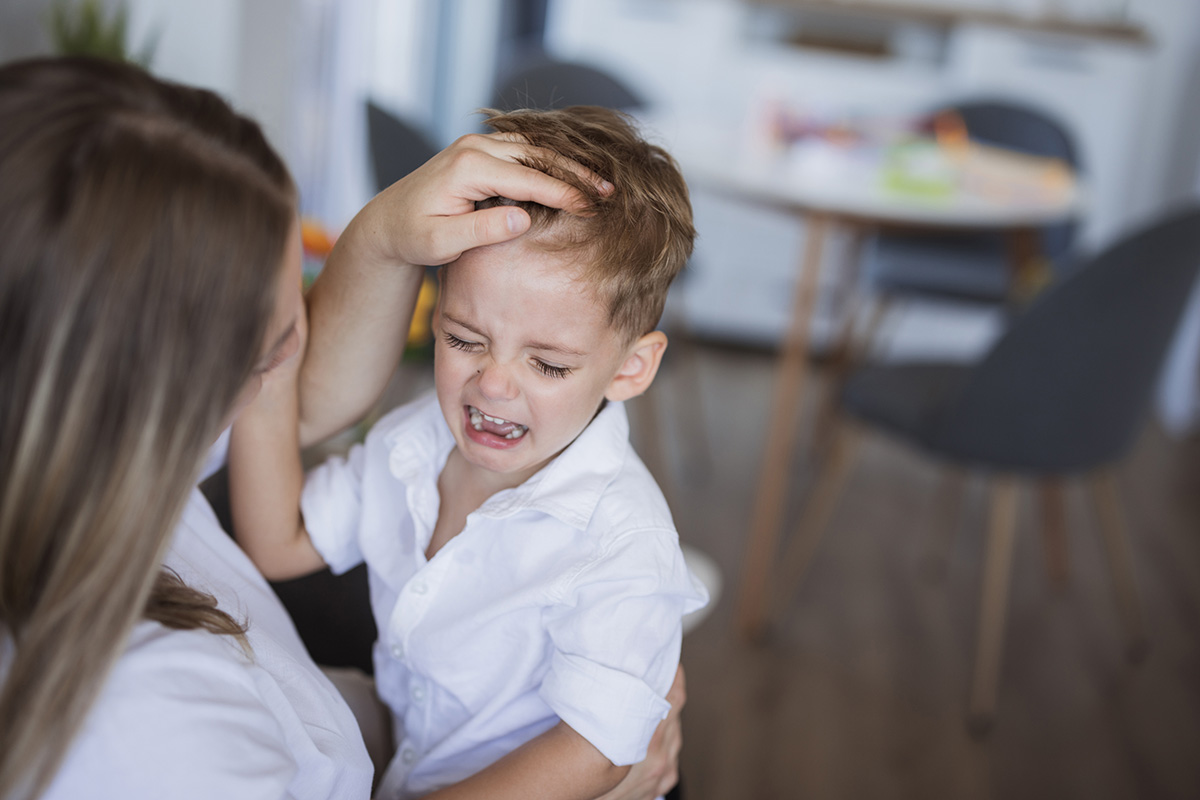
If your child falls or bumps their head:
- Stay calm and assess the injury. Look for bleeding, swelling, and watch for any concerning symptoms.
- Apply a cold compress. Use a cloth-covered ice pack for 10 to 20 minutes to help reduce swelling.
- Keep your child close. Provide comfort and watch them for any changes in behavior.
These early steps help you quickly identify whether the injury appears minor or needs medical attention.
Common Symptoms After a Minor Head Injury
Many minor head injuries in toddlers, children, and teens cause symptoms that often improve on their own. These may include:
- A minor bump or bruise.
- Mild headache.
- Temporary dizziness.
- Tiredness.
- Sensitivity to light or noise.
- Mild nausea without vomiting.
These symptoms should gradually get better over a few hours.
When to Seek Emergency Care
Look for these warning signs of a more serious injury, which warrant a visit to the nearest emergency department or a call to your child’s doctor right away.
Physical Warning Signs
- Repeated vomiting.
- Severe or worsening headache.
- Loss of consciousness.
- Trouble walking or poor coordination
- Seizures.
- Weakness or numbness in arms or legs.
Behavior and Thinking Changes
- Having trouble waking up.
- Confusion, disorientation, or abnormal behavior.
- Slurred speech.
- Persistent irritability.
Vision Concerns
- Blurry or double vision.
- Pupils that don’t seem to be the same size.
Monitoring a Head Injury During the First 24–48 Hours
The first two days are crucial for observing any delayed symptoms. Support your child's recovery by:
- Encouraging rest and quiet activities.
- Limiting screen time and mentally challenging tasks.
- Avoiding rough play or sports.
- Providing small meals and plenty of fluids.
If symptoms worsen, call your child’s healthcare provider.
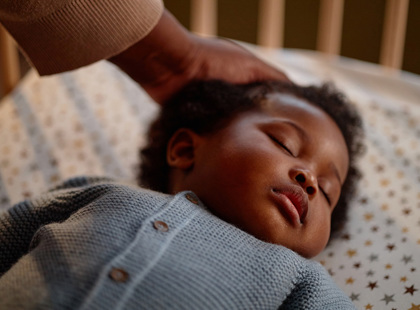
Parents often wonder if they need to keep their child awake. For a minor injury:
- You do not need to prevent sleep.
- You should check on your child periodically for the first two to four hours.
Gently wake them to ensure they respond normally and recognize you. If they’re difficult to wake or seem confused, seek medical help immediately.
Understanding Concussions in Children
A concussion is a mild brain injury that can occur with or without losing consciousness. Symptoms of a concussion in children may include:
- Headache.
- Dizziness.
- Difficulty concentrating.
- Irritability or mood swings.
- Sensitivity to light and noise.
Most kids recover well with rest and a gradual return to activity. A child should only return to sports or playground activities when all symptoms have completely resolved, and a healthcare provider says it’s safe. Returning too early increases the risk of another injury or a longer recovery.
Head injuries in children are usually minor and heal quickly. By knowing what symptoms to watch for and when to seek help, you’re taking the right steps to keep your child safe. If you have any questions, call your child’s CHKD provider.