By Dr. Andria Tatem, Pediatric Partners of Hampton Roads
When winter arrives and the temperature drops, many parents wonder how they can help protect their child from the common cold or the flu. With these simple, evidence-based tips, you can help strengthen your child’s natural defenses against common illnesses this season.
Prioritize a Diet Rich in Vitamin C and Probiotics
Proper nutrition supports a strong immune system, especially during the colder months. Encourage your child to eat a variety of fruits and vegetables high in vitamin C, like oranges, strawberries, bell peppers, and broccoli. Yogurt with live active cultures, kefir, and other probiotic-rich foods can also help your child maintain a healthy gut microbiome, which is closely connected to immune health.
If your child is a picky eater, try blending fruit into smoothies or choose healthy yogurt tubes for an easy, kid-friendly snack. You can also read our blog on tips for feeding picky eaters.
Ensure Your Child Gets Adequate Sleep
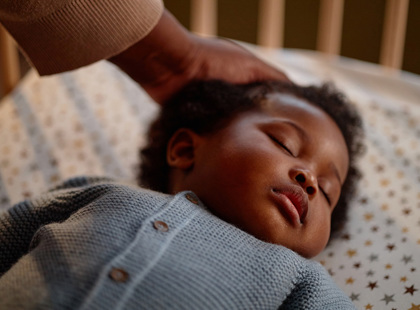
Sleep is one of the body’s most important tools for fighting infection. When children are well rested, their immune systems are better able to respond to germs. You can help your child sleep better by creating a consistent bedtime routine, limiting screen time before bed, and keeping their bedroom calm and comfortable. Most school-aged children need about nine to 12 hours of sleep each night, while teens require eight to 10 hours.
Keep Your Kid Active with Regular Exercise
Daily physical activity benefits your child’s physical and emotional health and can boost their immune system. Aim for at least an hour of movement each day. This can include sports, playing on the playground, family walks, bike rides, or enjoyable indoor activities when it’s too cold outside.
If you plan on doing outdoor activities, ensure your child is dressed in warm layers.
Keep Their Hands Clean
Handwashing is one of the best ways to prevent the spread of germs and illnesses. Teach your child to wash their hands with soap and water for at least 20 seconds. Make sure they scrub before meals, after using the restroom, after sneezing or coughing, and when they come home from school or activities.
You can develop good habits by washing your hands regularly and keeping travel-size hand sanitizer available in the car, in their school bag, or anywhere else they can’t easily wash their hands.
If you have concerns about your child’s health or immunity, don’t hesitate to contact their local pediatrician.