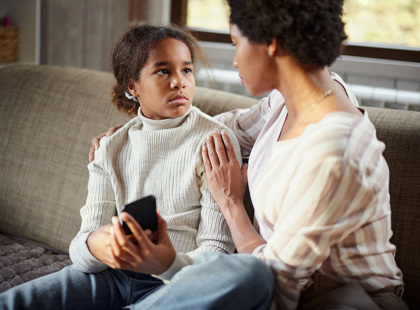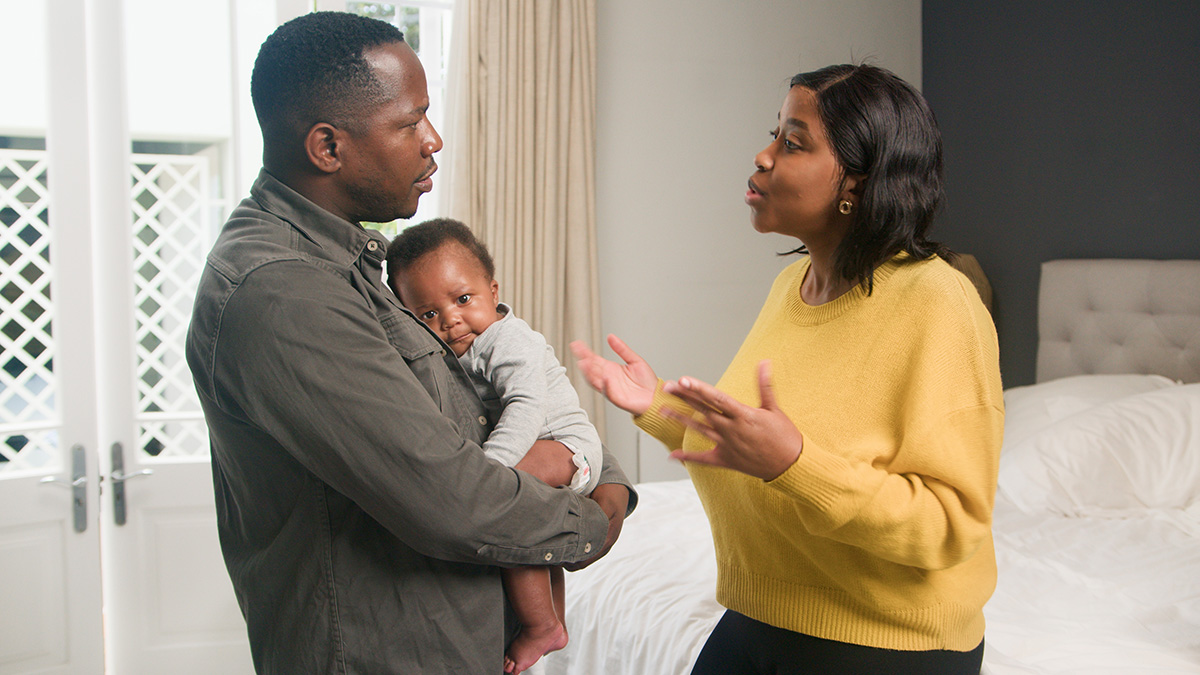
“You coddle him.” “You’re too tough on her.” Are there differences in the way you and your partner parent? All parents have strengths, and all parents have challenges. Most couples struggle to get it right.
I’ve been teaching parenting for several years. I’ve heard “This is how I was disciplined, and I turned out just fine.” I’ve also heard, “I don’t want to parent like my parents did. I want to get it right, but I’m unsure how to handle certain situations.” And lately, “It’s a whole new world out there. I want my children to be prepared and safe.”
Parenting practices are naturally passed down from generation to generation. However, what worked a generation ago may not be effective today. Our understanding of child development and the needs of children has evolved along with technology and our standard of living. What our parents and grandparents knew to be true is now put to the test. For instance, we know children need to be seen and heard, and children need to be thinkers and problem-solvers. Parenting schools of thought are moving toward understanding our children’s needs and building respectful relationships.
So, what’s a parent to do? In our day-to-day world, when emotions run high, it’s easy to disagree on how to handle challenges. It is important to understand where our own parenting beliefs came from and why our partner reacts to parenting challenges the way they do.
I tell couples to take time for reflection and consider becoming purposeful in their parenting. To parent with purpose, you can create a vision for the family you would like to become. Think big, and make sure you leave room for imperfection! There is no such thing as a perfect family and no such thing as a perfect child. It helps to remember that we are journeying with our children through childhood. Childhood is sometimes loud and messy and often overwhelming.
Here’s an example of a simple vision statement:
“Our family shows kindness and cooperates in caring for each other while honoring each person’s ideas and by solving disagreements with care.”
To get on the same purposeful parenting page:
- Explore your parenting beliefs, provide support for your parenting partner in developing practices that fit your family values, and learn something new if necessary.
- Operate with a high degree of warmth and regard for your children and each other.
- Give clear and consistent messages about expectations and behavior.
- Model positive ways to express emotions. Validate feelings and practice and teach calming strategies.
- Model positive ways to resolve conflict. Use “I” statements and negotiate respectfully.
For additional parenting resources and webinars, visit CHKD.org/ParentingResources.