By Dr. Sara Smith, PDC Pediatrics
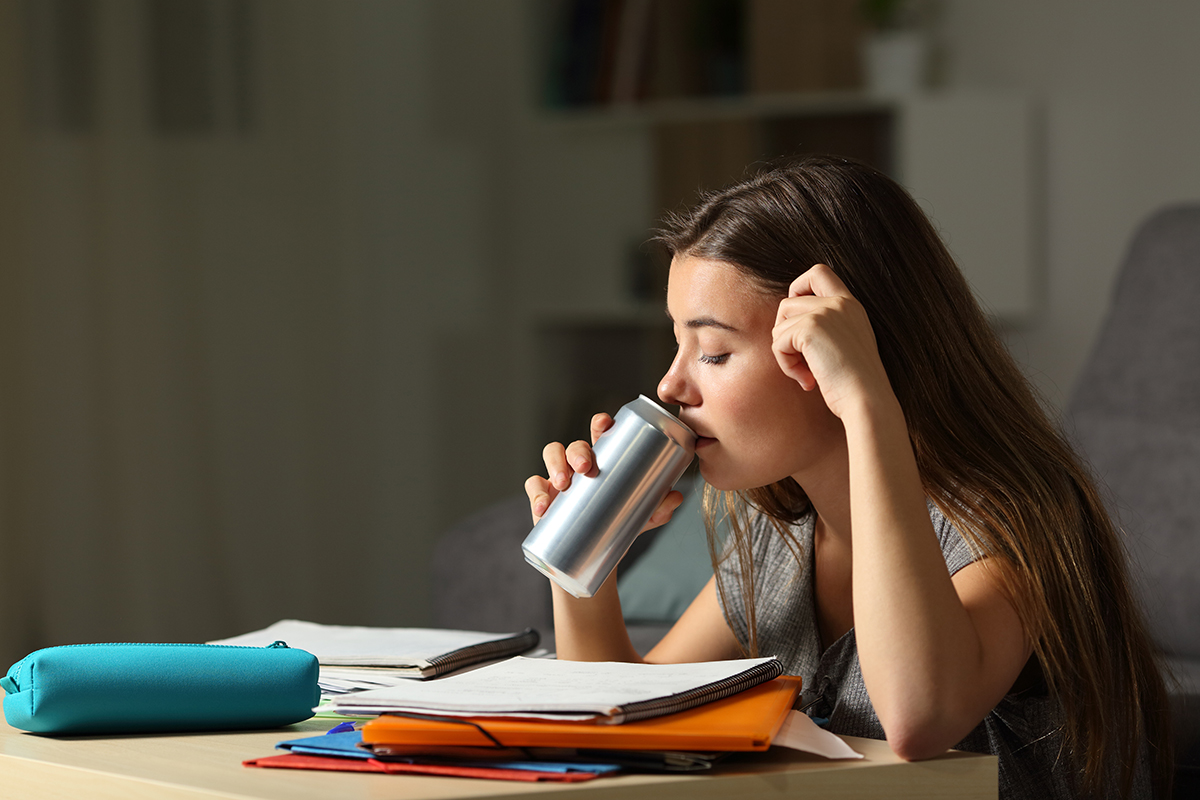
Whether it’s a can of soda or a popular energy drink picked up after school, caffeinated beverages are becoming a regular part of many children’s diets. But is caffeine safe for their growing minds and bodies?
As parents, it can be overwhelming to figure out which drinks are healthy for our kids, and which are harmful. While it’s easy to think of caffeine as just another common ingredient, the truth is that it can pose serious health concerns for children and teens.
Dangers of Caffeine
Caffeine is a stimulant that affects the central nervous system. While it can increase alertness and combat sleepiness in the short term, it also disrupts your child’s natural sleep cycle, increases symptoms of anxiety, creates stomach problems, and can cause dependency, especially in growing kids. In some cases, children have been sent to the emergency department due to overconsumption of caffeine.
Children under 12 should avoid caffeine altogether, and teens should limit caffeine consumption to no more than 100 mg per day. That’s about one cup of coffee, and many energy drinks far exceed that amount. Some energy drinks have more than 300 mg of caffeine. That doesn’t include the added sugar or other stimulants like guarana or taurine, which are also found in many energy drinks.
Beware of Energy Drinks
Many trendy energy drinks on the market today contain high levels of caffeine and are heavily marketed to teens. Always read the nutritional facts label to ensure your child isn’t consuming too much caffeine.
Safer Beverage Options
There are many tasty, healthy, and caffeine-free drinks you can offer your child instead of soda and energy drinks, including:
- Sparkling water with natural flavors.
- Fruit-infused water.
- Low-fat milk or fortified plant-based milks.
- Herbal iced teas without caffeine.
Additionally, encouraging your child to drink plain water throughout the day is one of the simplest and most effective ways to keep them hydrated.
You can set a good example for your child by choosing caffeine-free drinks for yourself. When grocery shopping, be mindful of the beverages you bring home by checking nutrition labels for hidden sources of caffeine. Talk to your child’s pediatrician if you’re concerned about their caffeine intake and need help creating a plan to cut back.