

What Our Fellows Are Saying
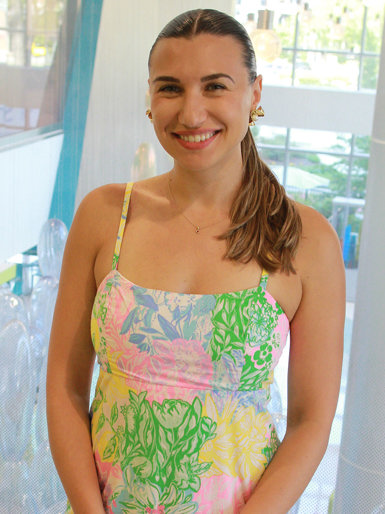
Ana-Maria McGill, DO
It definitely exceeded my expectations. One of the main reasons I chose the program was the clear investment being made in its growth and future, from the development of a beautiful, state-of-the-art facility to the recruitment of talented attendings and staff from across the country. Seeing that long-term vision come to fruition during my residency gave me great confidence in the program.
Staying in the area was also important to me, and having already worked with several faculty members through my rotations reinforced my decision. I saw firsthand that they are not only excellent clinicians but also dedicated and effective teachers. That combination made CHKD a natural choice to continue my training.
“One particularly meaningful experience during my training was conducting an evaluation for a child with suspected autism who also had an intellectual disability. The child and their mother came from a background with limited resources and support, which made the process especially complex.
When I shared the diagnosis, it was understandably overwhelming for the parent. There was a lot of fear about what it would mean for her child’s future and quality of life. That moment became an opportunity to provide not only clinical guidance, but also reassurance—helping her understand the diagnosis, addressing her concerns, and outlining the many resources and supports available to help her child reach their full potential.
This experience highlighted the real impact of stigma and the importance of meeting families where they are, especially when health literacy may be limited. It reinforced how critical it is to build trust, communicate with empathy, and support families through difficult conversations.
Moments like these are incredibly meaningful and have had a lasting impact on how I practice. I continue to follow this patient today, and experiences like this have truly shaped my approach to care far more than any straightforward diagnosis ever could.”
“One of the most valuable aspects of training at CHKD is its strong emphasis on learning. The focus is not on productivity or seeing a high volume of patients, but on delivering thoughtful, high-quality care.
Trainees are gradually introduced to a manageable caseload, allowing them to fully engage with each case—developing a deep understanding of assessment, diagnosis, and treatment planning without feeling pressured to move too quickly.
What stands out most is that this approach is consistent across all settings, whether inpatient, outpatient, or partial hospitalization. There is a shared commitment among faculty to prioritizing education and to shaping well-rounded, excellent clinicians. That unified focus makes the training experience especially meaningful and impactful.”
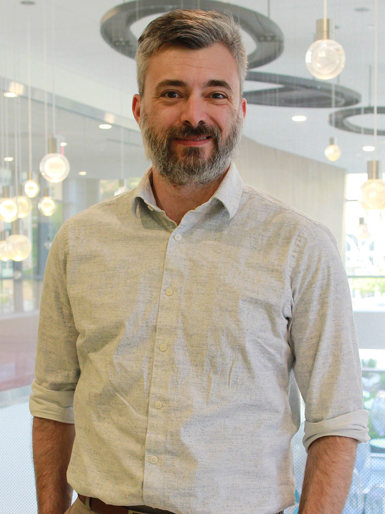
Tony Colangelo, MD
“I chose CHKD for my fellowship in part because I’ve been a longtime Hampton Roads resident, and staying close to my family and community was very important to me.
During my residency at EVMS/ODU, I had the opportunity to work with several CHKD attendings, each with their own unique perspective and style, which gave me valuable insight into the program. I was impressed by their teaching styles, their approach to patient care, and the way they engaged with others. That positive experience carried through into fellowship.
Overall, the program has exceeded my expectations, and I’ve learned more than I thought I was going to.”
“While there isn’t a single defining moment from my training, there have been many experiences that have shaped how I approach patient care. I’ve learned that some of the most meaningful growth comes not from the easiest encounters, but from the more challenging ones.
Throughout my fellowship, I’ve consistently observed that most families genuinely want to do what’s best for their children. Often, the challenge comes down to having the right tools and support rather than intent. Watching different attendings navigate these complex situations—helping families feel heard, reducing defensiveness, and guiding conversations toward understanding—has been incredibly impactful.
Those experiences have helped shape my approach to care, emphasizing empathy, effective communication, and collaboration to support better outcomes for both children and their families.”
“One of the things I value most about CHKD is the openness and accessibility of the faculty. There isn’t a single clinician I’ve felt hesitant to approach with a question. Everyone is genuinely invested in helping you understand, not just providing answers, but digging into the ‘why’ behind them so you leave with a deeper level of comprehension and confidence.
That kind of supportive learning environment is essential for growth and success in this field. I would absolutely recommend this program to others. Beyond strong clinical training in psychiatry, the fellowship places a meaningful emphasis on development, attachment, and how early experiences shape long-term mental health. That perspective is invaluable and carries forward into caring for patients across the lifespan.”
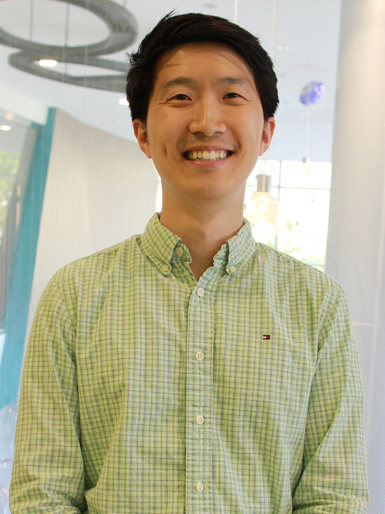
David Luor, MD
“I chose CHKD for my fellowship because of the people. From the very beginning, it was clear that the faculty go above and beyond to provide an exceptional training experience. The mentors here are compassionate, patient-centered clinicians with a depth of experience that creates a truly supportive learning environment.
My fellowship has exceeded my expectations in every way. I’ve had access to a wide range of clinical opportunities across different levels of care, and the balance between guidance and autonomy has been invaluable. This experience has not only strengthened my clinical skills but has also helped shape how I practice as a physician today.”
“One of the most meaningful aspects of my training has been working with patients who have chronic conditions. Building those long-term relationships and seeing their progress over time has been incredibly rewarding and has reinforced my commitment to this field.”
“The culture at CHKD is truly centered on supporting children and their families as a whole. From leadership to frontline staff, there is a shared commitment to going above and beyond in delivering exceptional care, which I find incredibly inspiring.
It’s also a place where I’ve built strong relationships with future colleagues and friends, a community that I am proud to be a part of.”