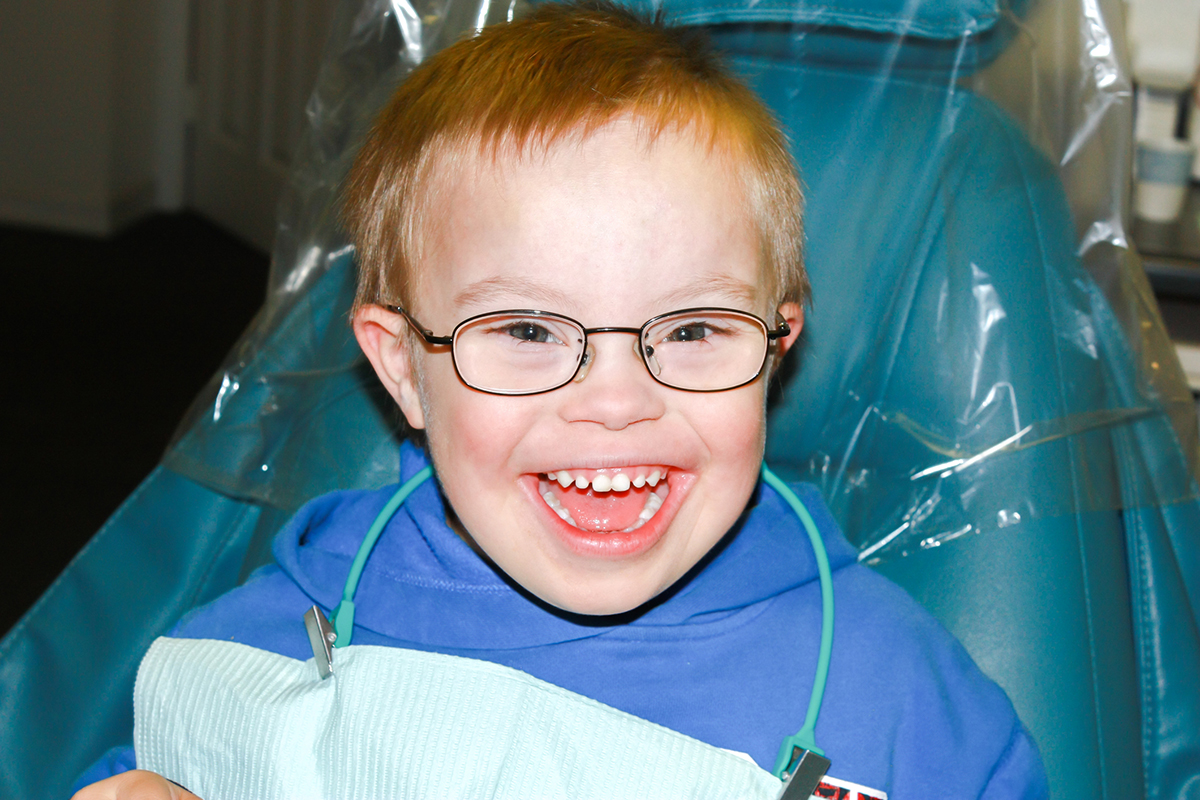
By Dr. Ashley Anderson, Pediatric Dentist at CHKD
Every child deserves a healthy, confident smile. But for families of children with physical, developmental, or sensory disabilities, maintaining oral hygiene can present challenges. Limited motor skills, sensory sensitivities, and communication barriers may require a more tailored approach to dental care.
Below are practical strategies for promoting better oral health, along with information on how our pediatric dental services can support your family.
1. Establish consistent oral hygiene habits.
- Help your child brush twice a day using fluoride toothpaste. If your child isn’t able to spit reliably, use only a minimal smear (roughly the size of a grain of rice). For children who can spit, a small pea-sized amount is appropriate.
- Encourage drinking fluoridated water when available.
- Talk to your dental provider about professional fluoride applications. These are often covered by insurance and provide added protection against cavities.
- Consider using adaptive tools like toothbrushes with easy-grip handles, electric toothbrushes, or floss holders to make brushing easier and more comfortable.
2. Prepare for dental visits in advance.
- Choose a dentist experienced in treating children with special healthcare needs. Ask in advance about accessibility, sedation options, and experience with children who use feeding tubes or have complex medical conditions.
- When scheduling, inform the office about your child’s needs: preferred times of day, known triggers, or strategies that have worked in the past.
- Familiarize your child with the dental process using role-play, storybooks, or real tools like a mirror and toothbrush.
- Use a visual schedule or “social story” to walk your child through each step of the visit ahead of time.
3. Advocate and build a support team.
- Ask your pediatrician for referrals to dentists experienced in special needs care. Many pediatricians maintain lists of specialists, clinics, or public health resources.
- Work collaboratively: dentists, pediatricians, occupational therapists, speech therapists, and caregivers can coordinate to adapt strategies, especially for children with feeding or oral-motor difficulties.
- If you encounter obstacles (long wait times, no nearby provider), consider teleconsultation or contacting local disability or health organizations.
4. Monitor diet and habits.
- Limit sugary drinks, candies, and frequent snacking.
- Encourage foods that require chewing (if safe) to help naturally cleanse teeth.
- Be alert to behaviors like mouth breathing, tongue thrusting, or teeth grinding, which may affect oral health.
- Maintain consistent routines even during times of stress; consistency helps children feel safe and know what to expect.
5. Be patient, persistent, and compassionate.
- Celebrate small wins, like a full minute of brushing or a stress-free visit to the dental office.
- Before brushing, consider calming routines (deep breathing, playing a favorite song) to ease anxiety.
- Caring for a child with complex needs can be demanding. Don’t hesitate to seek out support from other families, care professionals, or counseling resources when needed.
The pediatric dental care team at CHKD offers specialized support for children with special needs, providing preventive services like cleanings, sealants, and fluoride treatments to help prevent tooth decay. They also offer restorative care, including fillings, crowns, extractions, and sedation or pain management when needed. The team is trained to make modifications to care for children with physical, sensory, developmental, or behavioral challenges, ensuring a safe and comfortable experience.