By Dr. Julia Burden, Pediatric Dermatology at CHKD
If your child enjoys spending time outdoors, there's a good chance they may encounter plants like poison ivy, oak, or sumac – all of which can cause an itchy, irritating rash. While the reactions they cause are similar, the plants themselves look and grow differently. Knowing how to identify them can help you keep your family safe during hikes, camping trips, and backyard play.
Here’s a quick guide for parents to help spot the difference between these plants and know what to do if your child ever comes into contact with one.
What They Have in Common
All three plants contain an oily resin called urushiol, which triggers an allergic skin reaction. This oil can be found on the leaves, stems, and roots of the plants. It’s very sticky, so it easily transfers to skin, clothing, and even pet fur.
Symptoms usually appear within 12 to 48 hours of exposure and may include:
- Redness and itching
- Swelling
- Blistering
- Oozing sores (in more serious cases)
Important note: The rash is not contagious; it only spreads if urushiol remains on the skin or surfaces.
Poison Ivy
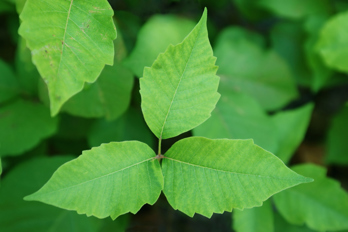
Where it grows: Across most of the U.S., especially in the East, Midwest, and South.
What it looks like:
- The classic “leaves of three, let it be.”
- Each leaf cluster has three pointed leaflets.
- Leaves may be shiny and can turn red in the fall.
- Grows as a vine or low shrub, often along fences, trees, or in weedy areas.
Watch out for: Climbing vines with hairy-looking roots – that’s poison ivy, too!
Virginia Creeper: A Common Poison Ivy Look-Alike
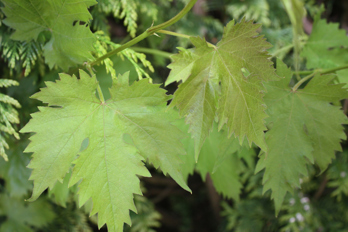
One of the most common plants mistaken for poison ivy in Hampton Roads is Virginia creeper. While it does not contain urushiol, the oily resin that causes poison ivy, poison oak, and poison sumac rashes, it's still a plant children should avoid touching.
How to tell it apart from poison ivy:
- Virginia creeper has five leaflets per cluster, not three.
- The leaves have toothed (jagged) edges and fan out from a central point.
- It climbs aggressively on trees, fences, and buildings and often grows right alongside poison ivy.
- In the fall, its leaves turn a bright, distinctive red.
Virginia creeper is not completely harmless. The plant's sap contains needle-shaped calcium oxalate crystals that can irritate the skin in some people, causing redness, itching, blistering, or a mild rash that may be mistaken for a poison ivy reaction.
In addition, Virginia creeper berries are toxic if eaten and can be dangerous for young children. If your child eats Virginia creeper berries, call Poison Control immediately at 1-800-222-1222.
Bottom line: The saying "Leaves of three, let it be" remains one of the easiest ways to identify poison ivy. If a vine has five leaflets, it's likely Virginia creeper instead. However, it's always best to teach children not to touch or eat any unfamiliar plants.
Poison Oak
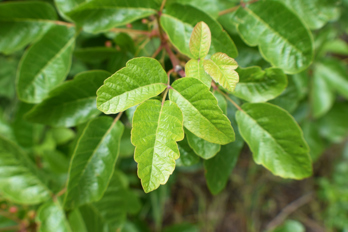
Where it grows: Common in the Southeast and along the West Coast.
What it looks like:
- Also has three leaflets per cluster, but leaves are more rounded and resemble oak tree leaves (hence the name).
- Leaves can be green or red, depending on the season.
- Grows as a shrub in the East or a vine in the West.
Watch out for: Dense, bushy plants with clusters of leaves that look like baby oak leaves.
Poison Sumac
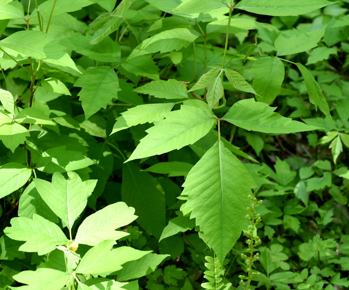
Where it grows: Mostly in swampy areas of the Southeast and Northeast.
What it looks like:
- Grows as a tall shrub or small tree.
- Has seven to 13 leaflets per stem arranged in pairs, with a single leaflet at the tip.
- Leaves are smooth-edged and can be glossy.
- Often has red stems and may produce white or gray berries.
Watch out for: Wet, marshy areas with tall, slender plants.
What to Do if Your Child Comes in Contact
If you think your child touched poison ivy, oak, or sumac:
- Wash the area right away with soap and lukewarm water to remove urushiol. The sooner the better, within 10-15 minutes is ideal.
- Remove and wash clothing and shoes to prevent further spread.
- Clean under fingernails where oil may linger.
- Apply cool compresses or calamine lotion to relieve itching.
- Use over-the-counter antihistamines (check with your pediatrician first) for more intense itching.
Call your pediatrician if the rash:
- Covers a large area.
- Involves the face or genitals.
- Is blistering or appears infected.
- Causes fever or difficulty breathing.
Prevention Tips for Parents
Teach kids basic plant safety
- Remember the "leaves of three, let it be" rule for poison ivy and poison oak.
- Teach children not to touch or eat unfamiliar plants, berries, or leaves.
- Wear long sleeves and pants when hiking or playing in wooded areas.
- Wash hands and clothing after outdoor play.
- Keep pets from roaming through brush, as they can carry plant oils on their fur.
While poison ivy, oak, and sumac may differ in appearance and location, they all cause similar uncomfortable reactions in kids (and adults, too). With a little plant knowledge and quick action, you can keep outdoor play safe and itch-free.