By Dr. Taylor Smith, Nansemond Pediatrics
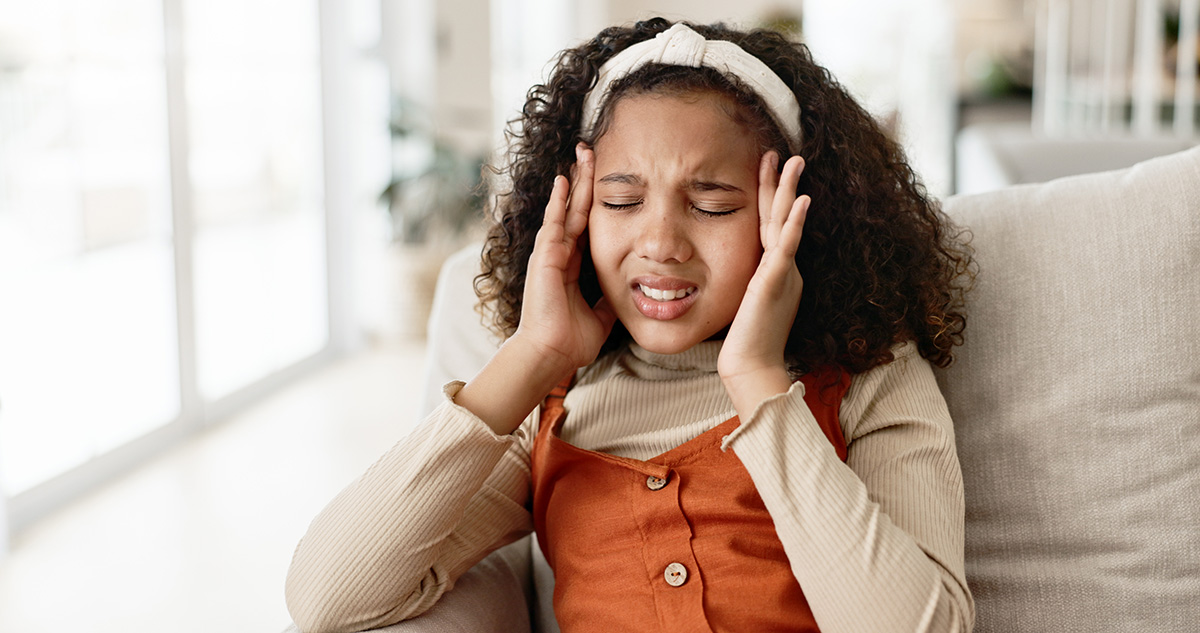
Headaches aren’t just an adult problem; kids get them, too. Stress at school or home, hunger, dehydration, lack of sleep, or even a virus can trigger headaches in children. While most aren’t caused by serious medical issues, it’s important to pay attention if your child’s headaches are frequent or worsening.
Types of Headaches in Children
The most common types of headaches in children are migraines, tension headaches, and congestion headaches.
Tension headaches are the most common type of frequent headache. They cause a feeling of tightness around the head and neck.
Migraines are more intense, very painful headaches that can keep a child from normal activities. Symptoms may include throbbing pain, sensitivity to light and sound, nausea, vomiting, or dizziness.
Congestion headaches often include pain and pressure in the face, commonly on the forehead just above the eyebrow. These are often accompanied by nasal congestion.
Migraines often cause a child to stop playing or lie down, while tension and congestion headaches may allow them to continue with activities, just with discomfort. If you suspect your child is experiencing migraines, your pediatrician can provide guidance. Some children benefit from prescription medications to help treat or prevent migraines.
Over-the-counter medications like acetaminophen or ibuprofen can help ease a headache, but it’s important to use them, as directed, and only when necessary. Acetaminophen is safe for children when taken under the guidance of a pediatrician.
Giving your child pain relievers for a headache more than three times a week can lead to medication-overuse headaches, also called rebound headaches.
Other Ways to Help Your Child Feel Better
Apply an ice pack to your child’s head or neck.
Make sure they’re hydrated.
Encourage slow, deep breathing exercises.
Massage the head and neck.
Have your child rest or nap in a quiet, dark room.
Preventing Headaches
You can help reduce your child’s risk of headaches with simple habits:
Maintain a regular sleep schedule and avoid late nights.
Ensure your child has regular breaks from screentime.
Encourage regular physical activity.
Make sure your child stays hydrated.
Schedule daily downtime for relaxation.
Ensure your child is getting proper nutrition.
Call Your Pediatrician if Your Child is Experiencing:
Daily headaches.
Headaches severe enough to wake them from sleep.
Recurring headaches that are getting worse.
Headaches caused by straining from coughing, sneezing, running, or having a bowel movement.
Headaches causing weakness or affecting balance, coordination, or vision.
Seek Emergency Care if:
Your child has a sudden, severe headache that is happening for the first time. Especially if the child seems confused, sleepy, or has numbness or projectile vomiting.
The headache is accompanied by a painful, stiff neck, especially with a fever.
Call 911 immediately if your child is hard to wake up, acts confused, or has weakness in an arm or leg on one side of the body.
With the right care, most headaches in children are manageable. However, recurrent headaches of any type can cause issues at school, behavioral problems, and even depression. If you have concerns about your child’s headache symptoms or frequency, be sure to call your pediatrician.