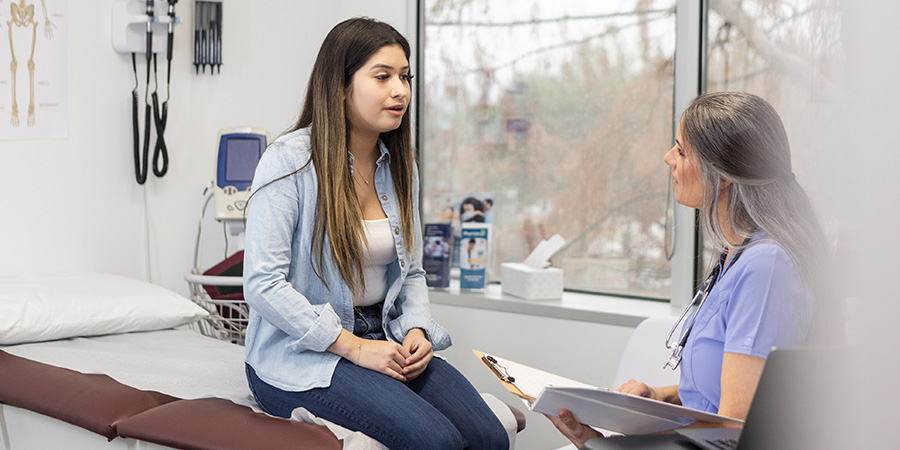
Visiting the gynecologist can feel a little overwhelming at any age, but for teens—especially those going for the first time—it’s often full of uncertainties. If your daughter is getting ready for her first appointment, a little guidance can go a long way in helping her feel more comfortable and confident. Talking about what to expect beforehand can reduce anxiety and set a positive tone for her experience.
The American College of Obstetricians and Gynecologists (ACOG) recommends that teens have their first reproductive health visit between the ages of 13 and 15. These early visits are designed to be developmentally appropriate, focusing on education, building trust, and addressing any questions or concerns. In most cases, this first appointment is simply a conversation, giving your daughter the chance to meet her provider in a supportive, low-pressure setting.
It’s also reassuring to know that routine Pap smears are not recommended until age 21, and many first visits do not require a pelvic exam. Pediatric and adolescent gynecology care is different from adult care. Pediatric and adolescent gynecologists have specialized training to evaluate gynecologic concerns in children and teens using age-appropriate exams, adolescent confidentiality standards, and pediatric coordination, making medical and surgical care safer, less intimidating, and better matched to teen development than a typical adult setting.
What to Expect from a First Visit
Information
Your daughter can get accurate, age-appropriate information about her body, puberty, and reproductive health in a safe and supportive environment.
Prevention
She’ll learn about healthy habits, disease prevention, and the importance of vaccines like HPV, along with guidance on overall wellness.
Treatment
If she’s experiencing concerns such as irregular periods, pelvic pain, or other symptoms, the provider can evaluate her condition and suggest next steps.
How to Help Your Daughter Prepare
Review Family Health History
She might be asked about her personal and family medical history. Reviewing this together, and even jotting it down, can help her feel more prepared.
Encourage Questions
It’s normal to feel nervous and forget things in the moment. Suggest she write down any questions ahead of time. Common topics include periods, body changes, acne, weight, relationships, birth control, and disease prevention.
Talk About Honesty and Privacy
Reassure your daughter that being open with her provider helps ensure she gets the best care. Topics like contraception, sexual activity, substance use, or mental health may come up, and providers are trained to approach these conversations with sensitivity. Adolescents are often given time to speak one-on-one with their provider, and many aspects of these discussions are kept confidential, helping teens feel safe and supported.
Know That Care Is Tailored to Teens
Adolescent-focused care emphasizes comfort, privacy, and respect. Providers have experience working with teens from diverse backgrounds, including those with chronic conditions or disabilities, and often coordinate care with other pediatric specialists when necessary.
Preparing your daughter with clear, reassuring information and emphasizing that her voice and comfort matter can help her approach her first gynecology visit with confidence instead of fear.
CHKD offers pediatric and adolescent gynecology services at CHKD’s main hospital and Health Center at Fort Norfolk, the CHKD Health Center at Oyster Point in Newport News, the CHKD Health Center at Oakbrooke in Chesapeake, the CHKD Health Center and Landstown in Virginia Beach, and the CHKD Health Center at Harbour View in Suffolk. To make an appointment at any location, please call (757) 668-9330. Learn more about pediatric and adolescent gynecology services at CHKD.
Watch | More from Dr. Focseneanu in this parenting segment on WVEC-13NewsNow