As spring arrives, I notice the trees blooming and the flowers growing. This reflects the cycle of seasons and offers an opportunity for outdoor activities with the children in our lives. I have two grandchildren who live nearby, and I was able to spend some time with them during their spring break from school.
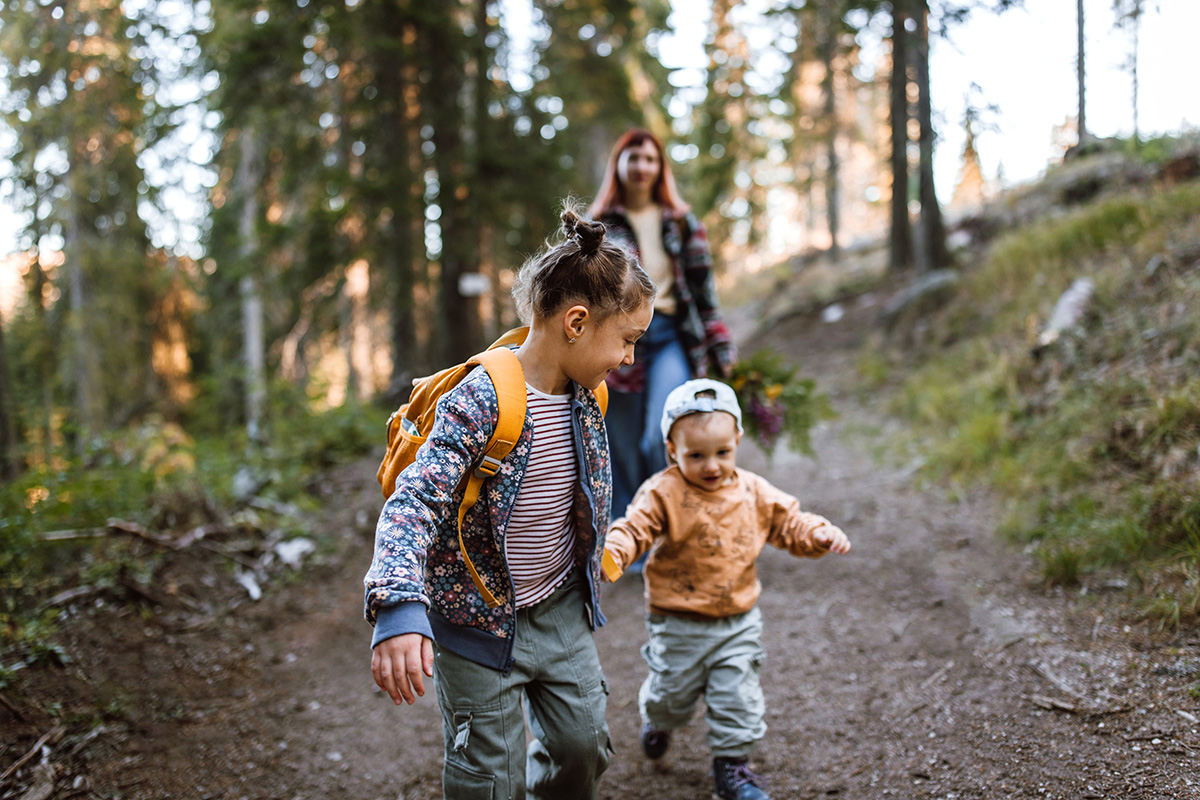
I planned a nature hike in the local state park and picked them up for the adventure. My six-year-old grandson brought a backpack with snacks, a water bottle, binoculars, a pencil and paper, and a whistle. Of course, he demonstrated how to use a whistle while we were buckling into the car seats. I thought, really, a whistle? As soon as my 10-year-old granddaughter got into the car, she let me know, “I’m not really an outdoor person.” I thought … is this the same girl who just last year was rolling in the sand at the beach and riding through muddy puddles on the bike trail? Who is she becoming? In my determination to enjoy the day and our time together, I knew I would need to engage two types of thinking – relational and rational.
Let’s look at what it takes to balance relational and rational interactions and conversations with children. Both are beneficial to a sense of positive self-worth, socialization, and safety.
My granddaughter’s likes are changing. She used to love the outdoors, and now she loves art. In building a relationship with her, I can honor what she brings to the table at any given time and respond with encouragement and support. Her favorite activity was inside the trail center, looking at the displays and asking questions of the rangers. She decided to take pictures of interesting plants and bring a sketchbook on the hike. She ended up enjoying the time in the actual outdoors, too. By the time we were back at the picnic area, she was climbing trees.
Rational thinking and skill-building are equally important. For instance, my grandson planned ahead. He brought provisions and a whistle in case he got lost or we got too far ahead of him on the trail. Relationally speaking, I could say, “You thought of everything. You are good at preparing.” Rationally speaking, he needs to know when he can blow the whistle and when it might impact others on the trail. Having a conversation and helping him create clear expectations included, “What if someone is trying to have a quiet walk on the trail, or has a dog with them? What if the trail is crowded? Where should the whistle be? Do you think you can wear it around your neck without being tempted to blow it and startle someone, or do you need to keep it in the backpack unless you need it?” He chose to wear it around his neck and was successful at not misusing it (most of the time).
Relational interactions and conversations are designed to help you:
- See the world from a child’s point of view and learn more about them.
- Recognize that their likes and dislikes are continuously evolving as they grow and change.
- Validate how a child might be perceiving an activity or expectation.
- Strengthen the child’s sense of self as well as a connection to you.
Rational thinking and skill building include:
- Building a positive sense of efficacy. I can plan, participate, and make a difference.
- Setting limits and expectations for how a child’s choices impact others (socialization).
- Keeping children safe while building a sense of self-control when necessary.
- Teaching lessons that can enhance their life and their ability to succeed.
Whether it be an ordinary school day or a spring break day at the park, children are constantly learning and growing. As grandparents, parents, and providers, our interactions and conversations are an investment in their well-being.
Visit https://www.dcr.virginia.gov/state-parks/ to find out more about opportunities for exploring nature.