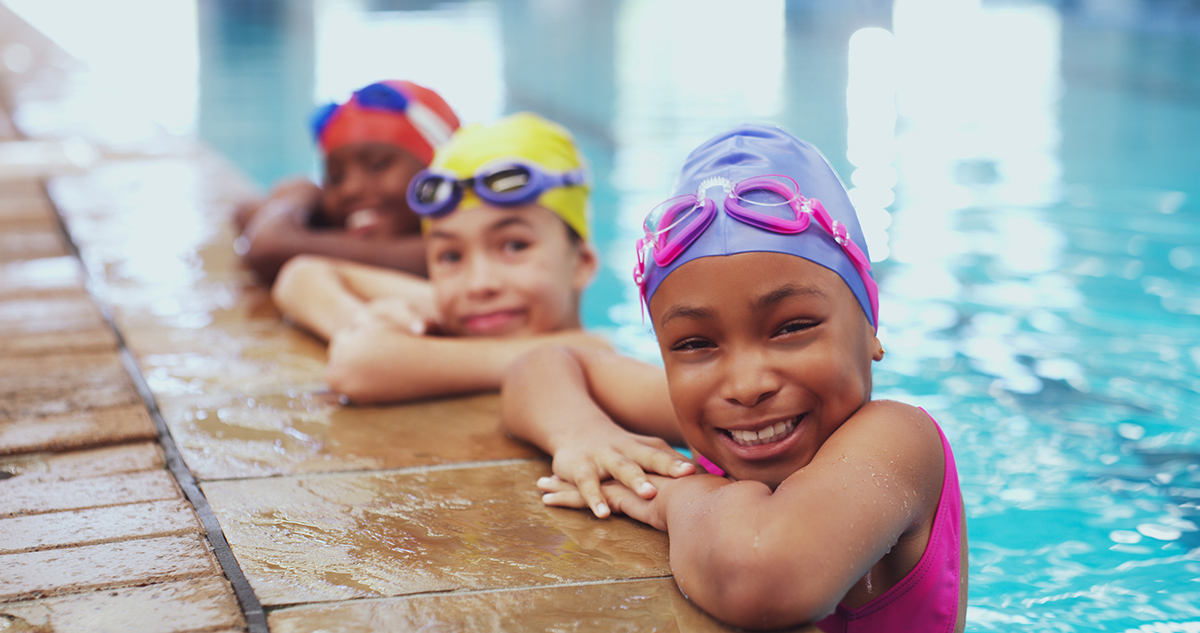
With summer in full swing, many families are heading to the pool or beach to cool off in the water. While swimming is a great way to seek relief during hot days, spending a lot of time in the water can increase your child’s risk for swimmer’s ear, also known as otitis externa. This common infection can develop when moisture in the ear canal causes the growth of certain bacteria.
Some children are more prone to swimmer’s ear than others, but anyone, including adults, can get it. Thankfully, it is not contagious.
Swimmer’s Ear Prevention Tips
- Keep your child’s ears as dry as possible. Use earplugs when swimming and try to keep water out when washing their hair.
- Dry ears thoroughly with a towel or have your child tilt their head back and forth to allow water to drain.
- If your child has ear tubes, talk to your doctor about special precautions you need to take.
- Don’t try to remove earwax or insert objects into the ear canal, such as cotton swabs.
- Your pediatrician may recommend preventive ear drops if your child is prone to ear infections.
Swimmer’s Ear Symptoms
- Itchiness
- Ear pain, can be constant and intense in severe cases
- Redness or swelling
- A plugged feeling in the ear
- Muffled hearing
- Discharge from the ear canal
- Jaw pain or pain when chewing
- Fever
The condition is usually not serious but needs to be examined and treated by a physician, as it likely won’t go away on its own. If your child is diagnosed with swimmer’s ear, your doctor may prescribe ear drops for five to seven days to fight the infection. This will also decrease swelling and pain. To ensure your child’s ears remain dry while healing, your doctor may advise you to keep them out of the water for a few days. You can also help your child by ensuring they rest and stay hydrated.
If you suspect your child has swimmer’s ear, call your pediatrician or visit a CHKD urgent care.