

Home Safety Guidelines
A Parent’s Guide To A Safe Home
At CHKD, we’re committed to helping families stay safe. This guide for parents is full of helpful information to keep your home safe for everyone.
Browse Safety Topics:
Home Safety Misconceptions:
Myth: Once you have safety-proofed your home, you never have to do it again.
Fact: Safety-proofing is an ongoing task. As children grow and develop, it is important to re-evaluate the environment.
Myth: Young children can be taught to avoid safety hazards, so there is no need to change the environment.
Fact: Young children are naturally curious and don’t understand the dangerous consequences of their actions. Register for one of our parenting workshops or webinars at CHKD.org/Classes, or listen to our practical parenting tips information at CHKD.org/ParentingResources.
Myth: Safety concerns are consistent over time, so it’s not necessary to keep up to date with new trends.
Fact: Many new products are available to parents as consumers every day. It is imperative that parents stay up to date on safety hazards and product recalls.
CHKD Parent Education
Your Partner in Parenting
CHKD offers education and trusted resources to help parents create safe, stable environments where children can thrive.
Explore:
- Parent Education Classes: CHKD.org/Classes
- Parent Resources: CHKD.org/ParentingResources
- Community Resources: CHKD.org/HRPEN
Helpful Safety Links:
- Car Seat Safety: CHKD.org/CarSeatSafety
- Safe Kids: Safekids.org/SafetyTips
- Consumer Product Safety Commission: CPSC.gov/Safety-Education
General Home Safety Guidelines
Creating a safe home starts with a few simple precautions, like preparing for emergencies, childproofing key areas, and safely storing everyday hazards, you can reduce risks and protect your child at every stage. Explore the tips below to help make your home a safer place for your family.
- Properly place smoke detectors throughout your home and test monthly; replace every 10 years and change batteries yearly.
- Install a carbon monoxide detector on every level; test monthly and mount properly (at least 4 inches from doors, windows, or vents).
- Keep flashlights accessible and in working condition.
- Program emergency numbers into all caregivers’ phones.
- Create and practice a family fire escape plan; ensure escape ladders are available on every floor.
- Teach children to “stop, drop, and roll.”
- Ensure electrical cords are in good condition and out of sight.
- Cover unused outlets and power strips with protective devices.
- Keep hallways and stairwells well lit and clutter-free.
- Confirm stairs, railings, porches, and balconies are sturdy.
- Keep small objects (smaller than a toilet paper roll) away from children under 5.
- Store matches and lighters in a locked cabinet; teach children they are not toys.
- Keep pocketbooks, sharp objects, and hazardous items out of reach.
- Use protective gates or barriers around exercise equipment.
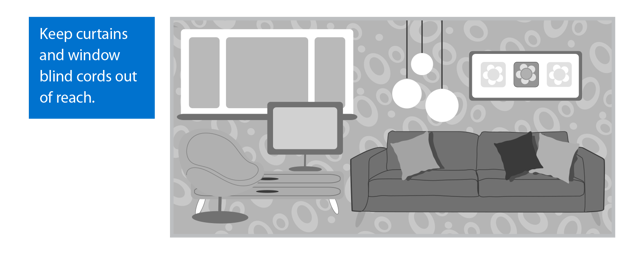
- Ensure no accessible cords from blinds or curtains are within a child’s reach.
- Lock away medicines, vitamins, alcohol, and perfumes.
- Keep button battery devices out of reach.
- Ensure household plants are non-toxic.
- Avoid smoking or vaping in the home or around children.
- Use UL-approved space heaters in good condition with protective barriers.
- Maintain fireplaces and wood-burning stoves; keep a fire extinguisher nearby.
- Keep your home and play areas free of peeling or chipping paint.
- Lock basement and attic doors.
- Open windows from the top when possible.
- Install window guards or stops to prevent openings greater than 4 inches.
- Never rely on screens to prevent falls.
- Store firearms locked, unloaded, and secured.
- Educate yourself on proper gun safety practices.
- Learn infant and child CPR and first aid.
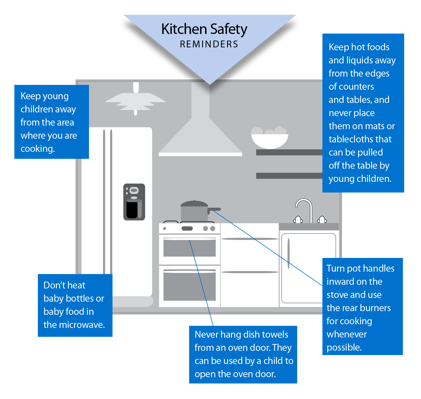
Kitchen Safety
Download this Kitchen Safety Checklist
- Supervise children around microwaves and other heating sources.
- Test the temperature of all food before giving it to a child.
- Secure young children in highchairs with restraining straps, and never leave them unattended.
- Don’t give children under 3 small pieces of food they can choke on.
- Never carry a child while holding hot food or liquids, including
coffee or tea.
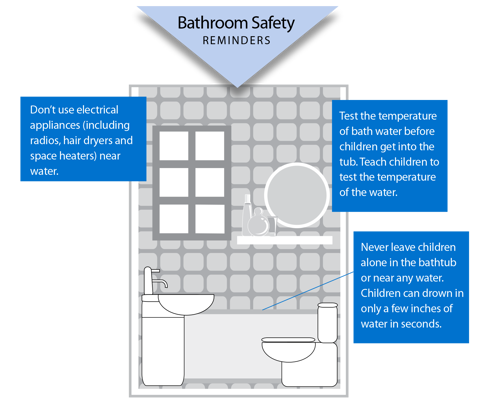
Bathroom Safety
Download this Bathroom Safety Checklist
- Always supervise young children when they are in the bathroom.
- Never leave young children unattended when they are bathing, even if you're using bath rings, seats, and other baby bathing aids.
- Do not use electrical appliances near water.
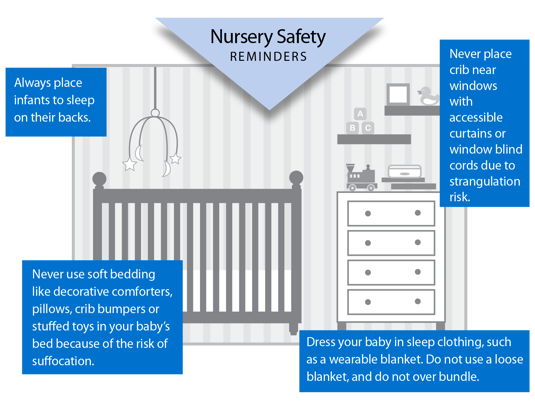
Nursery Safety Checklist
Download this Nursery Safety Checklist
- Never use cribs with sides that slide up and down. They have been recalled.
- Infants should sleep in a safety-approved crib or bassinet in the same bedroom as their parents for the first 6 months to 1 year. Never share a bed or sleep surface with an infant.
- Make sure no cords – such as electrical, blind or curtain cords – are hanging near the crib.
- Never leave an infant unattended on an elevated surface such as a changing table, couch or bed.
- Keep one hand on your baby at all times when changing diapers, dressing or bathing.
- Never use a baby walker. They are a common source of serious injury.
- Don’t let children under age 5 play with objects small enough to fit inside a toilet paper tube. Small objects pose a choking hazard.
- Follow the ABCs to put your baby to sleep - Alone, on their Back, and in a Crib. For more information on safe sleep, visit SafeToSleep.nichd.nih.gov.
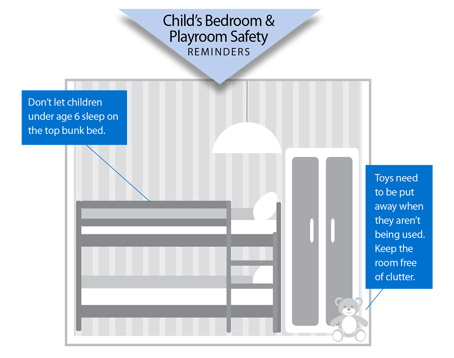
Child's Bedroom and Playroom Safety
Download this Child's Bedroom and Playroom Safety Checklist
- Choose well-made toys for your child according to age, interests and skill level. Follow safety information warnings.
- Supervise children when they play. A toy intended for an older child may be dangerous in the hands of a younger child.
- Don’t let children under age 5 play with objects small enough to fit inside a toilet paper tube. Small objects may pose a choking hazard.
Playground Safety
Download this Playground Safety Checklist
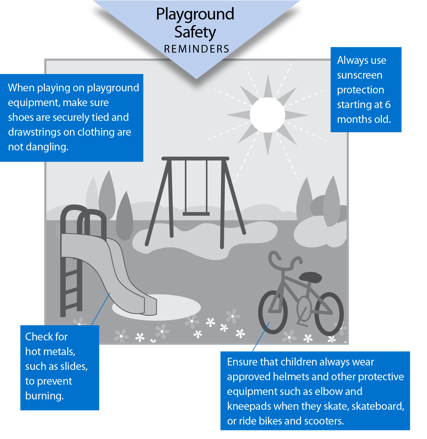
- Always supervise children on the playground. Do not allow pushing, shoving and fighting on equipment.
- Empty standing water or other solutions in buckets and wading pools.
- Provide proper hydration on hot days. Water is best.
- Provide proper outdoor clothing on cool days.
Hallway and Stairwell Safety Checklist
Download this Hallway and Stairwell Safety Checklist
Keep hallways and stairwells safe by ensuring proper lighting, secure footing, and sturdy support throughout. Install full-length handrails that are easy for children to grasp, use slip-resistant rugs, and make sure stair and balcony slats are closely spaced to prevent injury. For homes with young children, add securely mounted, JPMA-certified safety gates at both the top and bottom of stairs.
Pool and Yard Safety
Download this Pool and Yard Safety Checklist
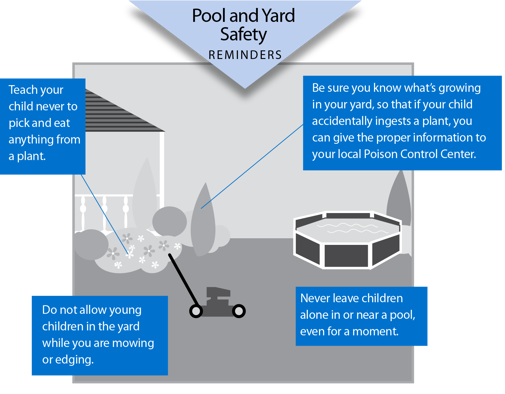
- Use a power mower with a control that stops when the mower handle is let go.
- Never let a child younger than 12 mow the lawn. Make sure your older child wears sturdy shoes, with good traction, while mowing the lawn and that objects such as stones and toys are picked up from the lawn before it is mowed.
- Wear goggles to protect your eyes from flying debris when mowing the lawn.
- Never have a child on your lap while operating a riding lawn mower.
- Never grill indoors or near garages or porches.
- Never leave a grill unsupervised while cooking.
Emergency or Disaster Home Safety Tips
Prepare your family for emergencies by staying informed, making and sharing a clear plan, and building a well-stocked emergency kit with essentials like water, food, and flashlights. For additional guidance, visit Ready.gov, and if you live in Virginia, be sure to know your evacuation zone through VAEmergency.gov.
Disclaimer: This information is not intended to substitute or replace the professional medical advice you receive from your child's physician. The content provided on this page is for informational purposes only, and was not designed to diagnose or treat a health problem or disease. Please consult your child's physician with any questions or concerns you may have regarding a medical condition.
Reviewed on: 6/2023